
Skip to content

Cripple Creek, Colorado

Business Networks and AV in Cripple Creek

Coordinate guest connectivity, staff systems, cameras, and commercial audio around the property, its operating schedule, and any requirements it already follows.

Scheduled on-site service from Fountain, planned around the property and project.

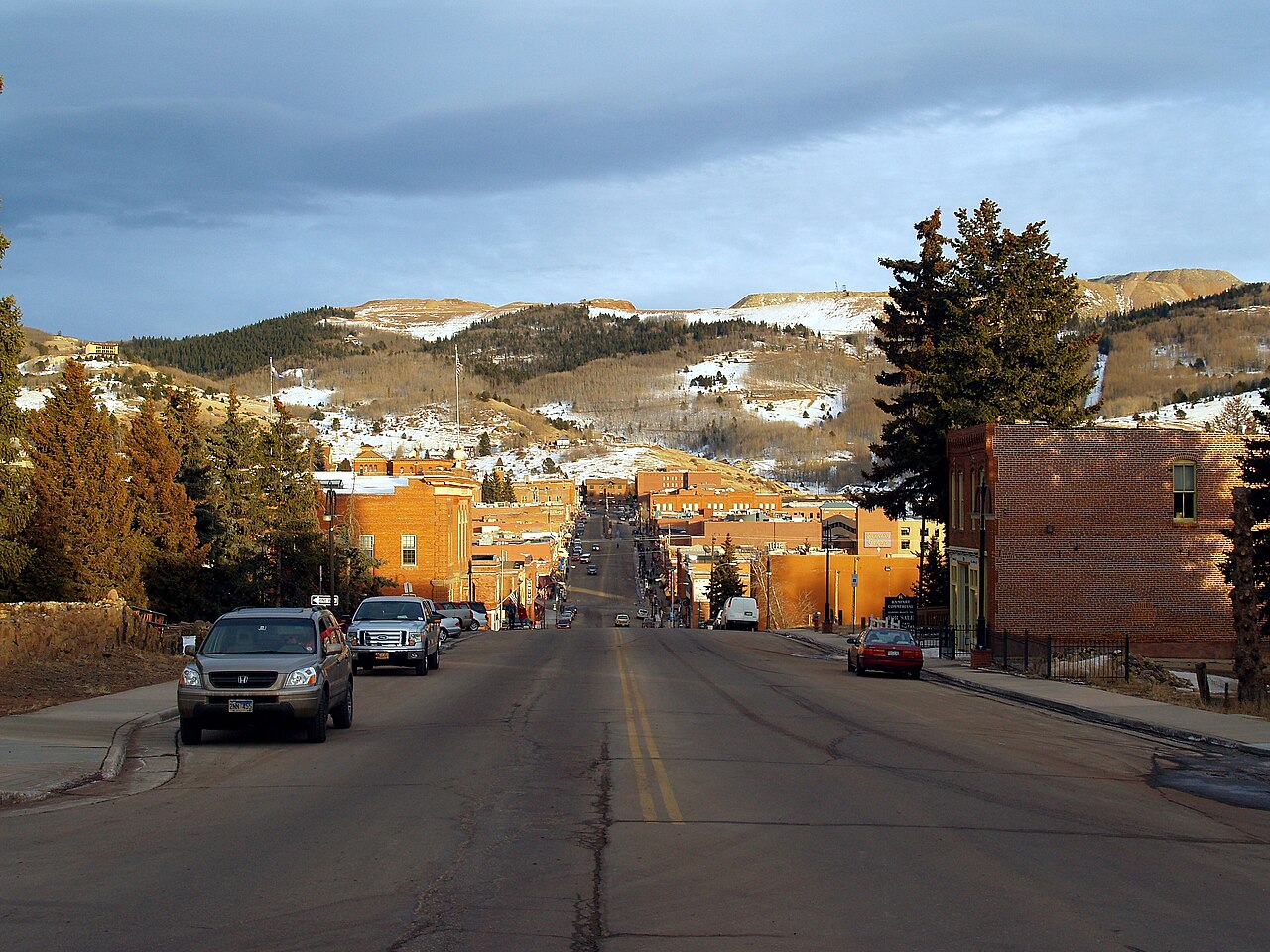
Bennett Avenue in downtown Cripple Creek, Colorado, with storefronts and snow-covered hills
Looking east along Bennett Avenue through downtown Cripple Creek (2009).Photo: David Shankbone. Source · CC BY 3.0. Framed to fit.

Visitor-facing and year-round operations

General business technology for a mountain destination

Cripple Creek is the Teller County seat on the west side of Pikes Peak. The city describes it as a year-round, high-elevation destination, so site work deserves deliberate planning around access, property operations, and conditions rather than a generic arrival-time promise. Sources: City of Cripple Creek: history and location, City of Cripple Creek: visitor overview.

The city’s economic strategy identifies gaming and tourism as economic cornerstones that support lodging, dining, retail, and events, while also seeking a more diverse downtown economy. GTZ supports the general business and hospitality systems behind those operations, including staff networks, guest Wi-Fi, office technology, commercial audio, cameras, and door access. Sources: City of Cripple Creek: 2025 Economic Development and Tourism Strategy.

Plan the visit around your operation

A technician working on network cables beside a patch panel
Cabling, connections, and testing planned as part of the installation. Example installation setting.

Prepare before the visit

Before a scheduled Cripple Creek visit, GTZ and the site team agree on the purpose, the information to collect, and who can provide access.

Have these ready

  • Drawings and equipment photos
  • Provider details and trouble areas
  • Operating hours
  • People who control technical rooms or vendor accounts

Follow the systems through the property

  • Network and workstationsCarrier handoff, firewall, switches, wireless coverage, and staff workstations.
  • Cabling and powerCable paths, rack power, equipment space, and mounting routes.
  • Security and AVCameras, controlled doors, audio zones, and displays.

The survey follows the systems people use and the routes that connect them. An older downtown property and a purpose-built venue can need different pathways, mounting methods, and access plans. Floor area alone does not settle the design.

Choose the work window

The work window follows the operation. Hotels may protect check-in and guest access, while restaurants plan around payment and dining periods. Museums, theaters, shops, offices, and event spaces have their own public hours, rehearsals, scheduled programs, or staff access rules.

Discovery separates inspections that can happen while the business is open from work that needs a coordinated interruption.

Settle these before specifying hardware

  • Where equipment can live
  • Which existing components remain supportable
  • What another contractor must provide
  • Which tests the operator will witness at handoff

Keep guest access separate from business systems

Guest Wi-Fi, staff devices, payments, and property systems each need defined access.

Example access policyChoose a group to see what it can reach.
SourceGuest Wi-Fi devices
Permitted destinationInternet access
What this allows
Guest devices can use the internet service for visitor connectivity.
Kept separate
Staff accounts and printers, payment devices, cameras, doors, and AV controls stay outside this example path.

These permissions are illustrative. Actual permissions depend on the site inventory, approved policy, and documented roles.

Guest Wi-Fi, staff devices, payments, cameras, audio, and building equipment may use the same cabling and switches while remaining logically separated. The design begins with an inventory and a simple question for each group: what does it actually need to reach? Guests generally need the internet. Staff may need printers, shared resources, and approved cloud services. Payment equipment, cameras, access controllers, and AV processors have narrower vendor or management paths. GTZ can translate those needs into network segments, firewall rules, managed wireless access, and administrative roles, then test the permitted workflows from the places where people use them.

Security also follows the user. Supported computers, multifactor authentication, limited administrator rights, protected email, and a documented employee departure process reduce dependence on shared passwords. Vendor access should identify the company, account, purpose, allowed system, and removal process. For general commercial cameras and controlled doors, the property defines viewing goals, retention, permissions, door behavior, and its expected response. GTZ can design and install within that approved purpose. Corporate, employment, privacy, insurance, and regulatory obligations remain scope inputs, rather than promises created by network equipment.

Plan the change and the fallback

A change window needs a verification point and a clear response if checks do not pass.

Cutover sequence with a decision pointThe sequence is illustrative. The property-approved scope determines the actual change window and acceptance checks.
  1. Prepare

    Back up current settings, label the planned connections, and agree on the property work window.

  2. Change

    Move the approved connections in the agreed sequence while the named contacts remain available.

  3. Verify

    Run the acceptance checks that match the workflows affected by the change.

  4. Hand over

    Record what passed, what remains open, and who owns the next support step.

Example acceptance checks

Items to verify with the operator, not claims of completed service.

  • Check-in or reservation work
  • Payment processing
  • Staff account access
  • Guest Wi-Fi

Continuity starts with the business calendar. Before changing a firewall, switch, wireless system, phone configuration, camera recorder, or audio rack, GTZ identifies the workflows that share it and the periods when they may be interrupted. Equipment can often be configured and labeled before the site window, but the plan still needs a verified backup of current settings, a sequence for moving connections, an agreed decision point if a test fails, and someone from the property who can validate normal work. Check-in, payment, reservations, staff access, guest connectivity, paging, or event technology may each need a different acceptance check.

A separate internet connection or battery backup can be considered when the business impact justifies it, but feasibility comes from the address and load. Carrier diversity, bandwidth, cellular signal, firewall compatibility, electrical demand, and application behavior determine what the fallback can do. The design may reserve capacity for staff, payment, and phones while limiting guest traffic or off-site video. Staff also need a procedure for tasks that cannot continue online and provider escalation contacts. Testing records what recovered without suggesting one connection or battery eliminates every upstream, equipment, software, or power failure.

Map the systems your property depends on

A shared map makes dependencies and decisions visible before equipment changes.

Responsibility questions to settle before scopeConfirm the people and providers responsible for each system during discovery.
Workflow
Outside dependency
Decision to settle
Reservations and check-in
Reservation platform and property internet service
Confirm who can approve a planned change and validate normal check-in.
Payments
Payment processor, terminals, and provider requirements
Confirm the maintenance window and the payment acceptance check.
Staff work
Identity, email, files, printers, and approved cloud services
Confirm account ownership, needed access, and the staff test at handover.
Guest services
Guest Wi-Fi, captive portal, and internet capacity
Confirm the expected guest experience and any traffic limits during a change.
Property systems
Camera, door, and building-system vendors
Confirm the allowed management path and who provides vendor coordination.
Audio and displays
AV controls, content sources, and room operating schedules
Confirm room use, operator controls, and the acceptance check for each zone.

Visitor-facing properties often contain several businesses inside one building network. Guests may need internet access. Front-desk or office staff need accounts, files, phones, and printers. Payment and reservation platforms depend on outside vendors. Cameras and door controls support the property. Background music, paging, presentation, and displays may run on dedicated or shared infrastructure. GTZ starts by documenting these workflows and their owners. The map shows which devices must communicate, which should stay separated, where a cloud service or internet carrier sits outside GTZ control, and who can approve a change.

When a corporate operator, landlord, or software vendor sets requirements, the property provides those documents and identifies who can approve changes. GTZ can map the business network and coordinate IT, Wi-Fi, commercial AV, cameras, and access control within the agreed scope. The proposal assigns each dependency to the right party: the property owner, another trade, the carrier, a software provider, or GTZ. It also records access permissions, maintenance windows, acceptance checks, and the documentation staff will need. That division of responsibility helps the operator see what can proceed, what needs another decision, and who supports each system after handover.

Cripple Creek service planned around a specific property and operating schedule

Cripple Creek is a year-round, high-elevation destination and the Teller County seat. GTZ serves accepted business projects by scheduled engagement from Fountain, with access, conditions, system ownership, and the work window confirmed in the scope.

General business and downtown properties

The city’s economic strategy calls for a more diverse economy, active downtown storefronts, family-friendly attractions, and a stronger downtown. That supports technology planning for offices, shops, service businesses, restaurants, museums, and new or expanding tenant spaces. It does not show that every property has the same construction or technical condition. GTZ surveys the actual building before choosing cable routes, wireless placement, cameras, or AV equipment. Sources: City of Cripple Creek: 2025 Economic Development and Tourism Strategy.

Hospitality and visitor-facing operations

Official city material describes lodging, dining, retail, entertainment, attractions, and year-round events as part of the local visitor economy. The technology discussion can include guest connectivity, staff systems, commercial audio, presentation, cameras, controlled doors, and scheduled changes. The scope follows the operator’s requirements, operating hours, and approval process. Sources: City of Cripple Creek: visitor overview; City of Cripple Creek: 2025 Economic Development and Tourism Strategy.

Planning visits across separate properties

A hotel, restaurant, office, or shop may depend on equipment in more than one building. Give us the addresses and describe what each location needs before scheduling a visit. The survey can then account for equipment ownership, local contacts, carrier services, building access, and the systems shared between properties. Work at an additional address is reviewed with its own scope and access requirements.

Technology for the rooms, guests, staff, and services behind the destination

Cripple Creek’s verified business mix supports more than one type of technology project. These examples stay within GTZ’s general business IT, network, physical security, and AV services.

Lodging and hospitality properties

Guest access, staff accounts, front-desk devices, phones, reservations, cameras, controlled doors, and back-office systems need clear boundaries and ownership. A site survey checks coverage, pathways, equipment rooms, power, outside vendors, and the operating window before the design is priced.

Explore support

Restaurants, shops, and customer-facing businesses

A compact property can still carry guest Wi-Fi, payments, staff devices, audio, cameras, and digital displays. GTZ can plan the network under those systems, separate access by purpose, and document the staff controls used during a normal shift.

Explore support

Museums, attractions, theaters, and events

Public programs may call for zoned background audio, paging, presentation, displays, small meeting systems, or event connectivity. The AV plan begins with audiences, sources, rooms, speech needs, controls, schedules, network dependencies, and a witnessed acceptance method.

Explore support

Professional offices and local organizations

Resident-serving teams need protected accounts, email, file access, supported computers, backup, phones, and a clear support process. Managed IT can cover those daily systems under written terms while one-time cabling, AV, camera, or access work remains a defined project.

Explore support

Projects we can scope

Start with the situation, then design the system

Examples of how GTZ can turn a business change into a scoped technology project in Cripple Creek.

Separate guest access from staff operations

A lodging, dining, retail, attraction, or event property may need broad public access and tightly controlled business access in the same building.

  • Map guest coverage and expected device load
  • Separate staff, payment, camera, and building systems
  • Define who manages access and how issues are escalated

Design audio around the spaces people use

A lobby, dining room, meeting space, and back office may need different music, paging, and volume controls. We plan speakers, audio zones, sources, and network capacity around each room, then test the controls with the people who will operate them.

  • Identify rooms, zones, sources, and users
  • Coordinate speakers, cabling, rack equipment, and controls
  • Commission the system with staff workflows in mind

Plan a change window that protects operations

A firewall, switch, Wi-Fi, camera, or audio cutover should account for check-in, payment, events, staff access, and other property-specific dependencies.

  • Inventory systems and outside requirements
  • Preconfigure and stage changes where practical
  • Test critical workflows before the work is closed

What a scoped Cripple Creek hospitality technology engagement could include

An illustrative project. Your site assessment determines the final scope.

The situation

Consider an illustrative independent property with a lobby, dining area, meeting room, offices, guest Wi-Fi, staff devices, payments, cameras, and background audio. The operator wants simpler controls and clearer separation before replacing aging network equipment. Discovery would confirm the property’s systems, accounts, cable routes, wireless conditions, room uses, audio sources, camera purposes, power, corporate rules, outside vendors, and acceptable work windows.

The proposed approach

A resulting scope could stage supported switching and wireless, separate guest and business traffic, document firewall access, and divide audio into useful zones with operator-approved controls. Cameras or controlled doors would follow goals supplied by the property. The proposal would identify regulated, corporate, landlord, electrical, preservation, or vendor dependencies outside GTZ’s accepted work. Installation would follow an agreed sequence, with staff testing connectivity, payments, account access, audio controls, and supported security workflows. Equipment, price, timing, and ongoing service remain open until discovery is complete.

What the handover should make clear

  • One inventory of the supported business network, Wi-Fi, AV, and security components
  • Documented guest, staff, payment, camera, AV, and building-system boundaries
  • Audio zones and controls tied to actual rooms and staff roles
  • A cutover plan built around property-approved operating windows
  • Explicit owner, vendor, regulatory, and corporate responsibilities

How service works

Scheduled mountain service with the scope settled first

GTZ serves Cripple Creek by scheduled engagement from Fountain. Before a visit, we confirm the address, system ownership, site contacts, access rules, operating windows, and the decisions that need to be made on location. Weather and property conditions remain part of scheduling.

Where a corporate operator or regulated environment has its own security requirements, those boundaries and approval responsibilities are identified during discovery before the technical scope is written.

  1. 01

    Define the business system

    We identify users, spaces, devices, operating hours, and any existing technical or corporate requirements.

  2. 02

    Survey before specifying

    The site visit confirms cable paths, equipment, coverage, power, access, and installation constraints.

  3. 03

    Schedule a controlled handoff

    Installation and testing follow an agreed sequence with the people who own each workflow.

Before we schedule

Questions about service in Cripple Creek

Share the address and the outcome you need. We will use both to confirm the right next step.

Does GTZ provide scheduled on-site service in Cripple Creek?

Yes. We consider Cripple Creek within our scheduled service area. We confirm the project, exact site, access, operating windows, and conditions before committing to a visit or installation date.

Can guest Wi-Fi be separated from staff, payment, and camera systems?

Yes. GTZ can design separate network segments and access policies for guest, staff, payment, camera, and building devices. The final design must also respect any property-specific corporate or regulatory requirements provided during discovery.

Can you install commercial audio or meeting-room technology?

Yes. We design background music, paging, presentation, and conferencing systems for appropriately scoped hospitality, dining, office, and event spaces. Room use, acoustics, controls, cable paths, and staff operation are reviewed before equipment is selected.

Do you work on casino gaming systems or regulated surveillance?

Our standard scope covers general business networks, IT, commercial AV, cameras, and access control. Casino gaming platforms and regulated surveillance require a separate qualification review before we accept that work.

Can GTZ improve technology in an older Cripple Creek property?

Yes, after checking the building and the approved scope. A survey documents existing cable paths, construction, finishes, equipment locations, power, network ownership, wireless conditions, mounting options, and occupied areas. The owner, landlord, preservation authority, electrician, or another trade may need to approve or complete part of the route. GTZ uses those findings to propose a phased network, Wi-Fi, camera, access, or AV project without promising a pathway before the property has been inspected.

How are corporate or regulatory requirements handled during discovery?

The property identifies the applicable authority, provides written requirements, and names who can approve the design. GTZ can document boundaries and scope general business IT, networks, AV, cameras, and access control within its verified services. Any work requiring a specialist provider is identified and assigned before the project is scheduled. Unsupported or third-party responsibilities are stated before a proposal is accepted.

Start with a real property and goal

Plan your Cripple Creek technology project

Tell us what is changing, what is not working, and where the work needs to happen. We will help define the next useful step.

Call (719) 203-7752