Skip to content

Woodland Park and Divide, Colorado

Dependable Business Technology in Woodland Park

Build a stable local network, separate guest and business traffic, and plan on-site technology work around the property and the people it serves.

Scheduled on-site service from Fountain, planned around the property and project.

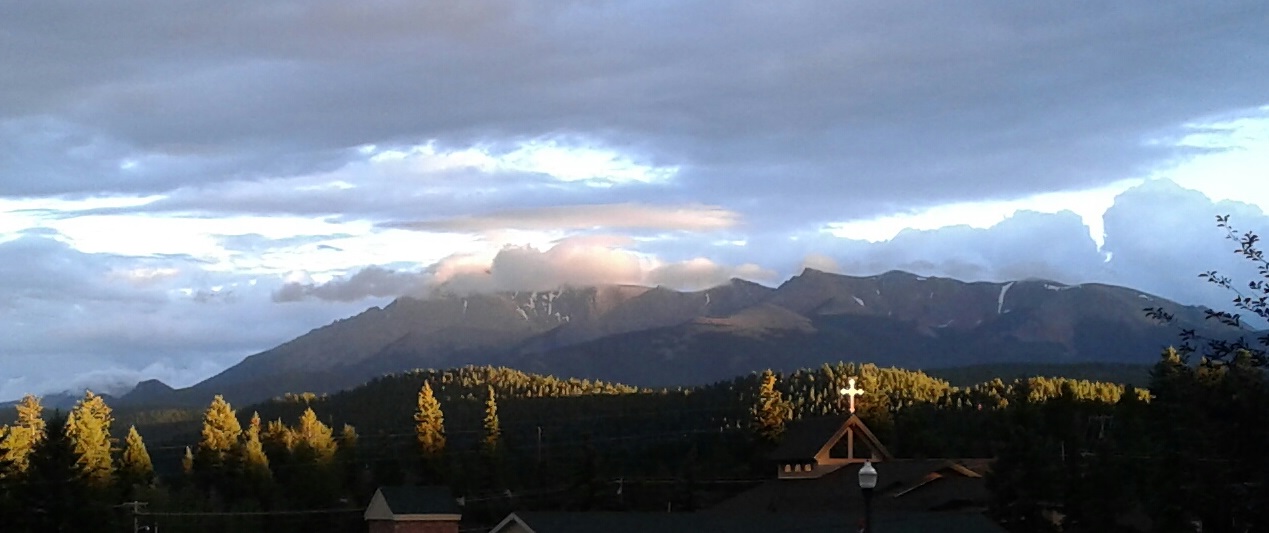
Pikes Peak rising behind rooftops and pine trees in downtown Woodland Park, Colorado
Pikes Peak viewed from downtown Woodland Park (2017).Photo: Guthrys. Source · CC BY-SA 4.0. Framed to fit.

For year-round operations

Networks and support for mountain businesses

Woodland Park supports both established and new businesses through city, chamber, enterprise-zone, and downtown-development resources. The city also treats economic development and tourism as connected planning priorities. A useful service plan therefore has to work for year-round offices and resident-serving organizations as well as lodging, retail, dining, recreation, and event operations. Sources: City of Woodland Park: business assistance, Envision Woodland Park 2030 comprehensive plan.

The regional chamber serves organizations beyond the city, including nearby Divide. GTZ includes Divide in this scheduled service area while treating it as a separate Teller County community. Every proposal still begins with the exact site, because internet options, building construction, access, and operational needs vary by address. Sources: Greater Woodland Park Chamber: regional accomplishments.

A mountain site visit should answer the questions that change the design

People seated at a meeting table with a remote participant on a laptop
Example setting: meeting technology that connects people in the room and online.

Good on-site work starts before anyone loads a ladder or a box of access points. GTZ first gathers the address, floor plan if one exists, internet account details, equipment list, trouble spots, operating hours, and the names of people who can open technical spaces. That preparation turns the visit into a focused assessment. At the property, we can trace the carrier handoff, inspect the firewall and switches, identify useful cabling, check rack power and ventilation, and measure wireless performance where staff and guests actually use it. Outdoor seating, detached work areas, and camera locations are reviewed separately because each has different power, mounting, and coverage needs.

Woodland Park and Divide are handled as distinct places within one scheduled service area. A business in Divide does not receive a design based on assumptions from a Woodland Park building. For an occupied property, the scope names the systems that may be interrupted and the staff member who can confirm that payment, phones, reservations, file access, audio, or cameras work after a change. The result should be a record of observed conditions and open decisions, not a shopping list built from square footage alone.

Protect staff accounts and separate the devices that share the property

Network separation is most useful when it follows a business reason. Staff laptops may need printers and shared files. Payment devices may need only their approved services. Guests need internet access without a route to either group. Cameras, door controllers, audio processors, thermostats, and other connected equipment can each receive a defined network segment and limited administrative path. During discovery, GTZ inventories the devices and confirms legitimate connections before applying rules, so a change does not block required work or leave a forgotten device exposed.

Illustrative access groups
Access rulesOnly the connections each group needs
  • Guest accessInternet access for visitors
  • Business systemsStaff accounts and approved applications
  • Property systemsCameras, doors, and room technology

The site plan defines the actual groups and permissions.

The same discipline applies above the network. Individual accounts, multifactor authentication, supported endpoints, controlled administrator access, and a repeatable employee departure process reduce reliance on shared passwords and informal handoffs. Remote access for an owner, vendor, or support technician should be intentional, attributable, and removable. Cameras and controlled doors require their own design decisions, including what must be seen, who may view or export footage, how long recordings should remain, which openings are controlled, and what happens when power or connectivity changes. GTZ can coordinate those general commercial systems with the network, while the organization remains responsible for its legal, insurance, employment, and industry requirements.

Decide what should keep working before choosing backup equipment

  • What needs to keep running?
  • What must be recoverable?
  • Who owns the next step?

Continuity planning is more precise than adding a cellular modem and assuming the job is finished. Start by naming the essential functions: perhaps phones, payment processing, reservations, remote files, a cloud application, or a small set of staff devices. Then measure what those functions need and check which connection types are available at the address. Cellular service depends on usable signal, carrier capacity, placement, plan terms, and compatible firewall hardware. A backup path with less bandwidth may need traffic rules that favor essential work while pausing guest use, large downloads, off-site camera viewing, or other lower-priority traffic.

Power and application behavior matter too. Battery backup can help selected network equipment ride through a short interruption or shut down cleanly, but runtime depends on the connected load and battery condition. Applications may require a user to sign in again or restart a transaction after the path changes. GTZ can test the agreed failover behavior, record what the test proves, and document the return to primary service. The recovery plan should also cover backups, restore ownership, carrier escalation details, configuration copies, and a manual procedure for work that cannot continue online. No single component removes every point of failure.

Connect the technology plan to a normal business day

A useful plan begins with work, not brands. We ask how employees sign in, where files live, how customers pay or make reservations, which phones must ring, who changes music or paging, and what building systems share the network. A cloud phone can depend on the internet, firewall, switch, access point, account configuration, and electrical power at the same time. A guest network may appear separate while still sharing a switch or uplink with cameras and staff devices. Writing those relationships down helps the owner decide what belongs in the first phase.

GTZ can then separate provider responsibilities from the systems at the property. The internet carrier supplies the outside connection. The local design covers the handoff, firewall, switching, Wi-Fi, cabling, segmentation, and documented administrative ownership. Microsoft 365, endpoint protection, backup, cameras, access control, and AV each add their own accounts and vendor relationships. Discovery identifies which systems GTZ will manage, which remain with another provider, and who handles an escalation. A focused network project can stand on its own, while ongoing managed IT adds user support, monitoring, patching, account administration, and routine documentation under written service terms.

Scheduled coverage built around Woodland Park and a separately confirmed Divide site

Start with the street address, the work you need, and the systems your business depends on. We check the carrier options, construction, access, and operating schedule for that property before planning the visit.

Woodland Park businesses

Woodland Park supports new and established businesses through city, chamber, enterprise-zone, and downtown-development resources. The city also connects economic development with tourism planning. That mix supports technology work for professional offices, resident-serving organizations, lodging, dining, retail, recreation, and events. GTZ scopes each location from the systems and rooms in use rather than assuming a visitor-facing business needs the same network as an office. Sources: City of Woodland Park: business assistance; Envision Woodland Park 2030 comprehensive plan.

Divide is a separate community

The Greater Woodland Park Chamber describes regional activity that includes Divide, but Divide is not part of the City of Woodland Park. GTZ includes a Divide business in this scheduled service-area conversation, then confirms the address, site access, carrier options, and work required. The proposal records the property, required preparation, work windows, and responsibilities before a visit is booked. Sources: Greater Woodland Park Chamber: regional accomplishments.

Organizations with more than one property

A company may have an office in Woodland Park and another work area, storefront, or facility at a different address. Each site needs its own record of internet handoff, network equipment, Wi-Fi coverage, power, cameras, access, and local contacts. A shared management standard can still make accounts, security policies, naming, documentation, and support consistent across the organization without pretending the buildings are interchangeable.

Technology shaped around the people the organization serves

Woodland Park and Divide include year-round employers and visitor-facing operations. These examples show how the service mix changes with the workflow while keeping the same assessment-first approach.

Professional and resident-serving organizations

Offices, nonprofits, clinics, and local service providers often need dependable account access, protected email, supported computers, shared files, phones, and a clear route for help. Managed IT connects those daily needs to patching, documentation, backup, and vendor coordination.

Explore support

Lodging, dining, and retail

Guest Wi-Fi, staff devices, payments, reservations, cameras, and audio can share one property without sharing unrestricted network access. The design maps busy areas, device groups, administrative ownership, and the cutover window before choosing hardware.

Explore support

Recreation and event operations

A public space may need outdoor connectivity, ticket or registration access, displays, background music, paging, or a small presentation system. Room use, weather exposure, power, mounting, controls, and the person operating the system all affect the scope.

Explore support

Contractors and property teams

An office, shop, detached storage area, and active project can create different connectivity and camera needs. GTZ can document the permanent facility first, then scope temporary or separate locations from their own signal, power, access, and security conditions.

Explore support

Projects we can scope

Start with the situation, then design the system

Examples of how GTZ can turn a business change into a scoped technology project in Woodland Park and Divide.

Plan for an internet interruption

Cloud apps, phones, reservations, and payment systems may all depend on one connection. We can assess a second circuit, cellular backup, battery backup, or a tested manual procedure. Available signal, carrier capacity, power, and application behavior determine which essential services a backup connection can support.

  • Verify carrier options at the exact address
  • Identify systems that must stay available
  • Test failover and recovery instead of assuming they work

Keep guest traffic in its own lane

Managed Wi-Fi can give visitors useful access while keeping office computers, payment equipment, cameras, and building devices on separate networks.

  • Map coverage and capacity by room or outdoor area
  • Create clear staff, guest, and device policies
  • Monitor access points and internet health

Upgrade without disrupting busy hours

For an office, restaurant, shop, lodging property, or event space, the safest cutover is the one planned around how the business actually opens, serves people, and closes.

  • Document critical systems and acceptable downtime
  • Preconfigure equipment before arriving where practical
  • Schedule testing with the right staff present

What a scoped Woodland Park network and continuity engagement could include

An illustrative project. Your site assessment determines the final scope.

The situation

Consider an illustrative lodging or service property with one primary internet connection, a mix of staff and guest devices, several undocumented switches, and cloud phones that the owner wants to keep available during a carrier interruption. The first phase would confirm the property, accounts, carrier handoff, cabling, equipment ownership, wireless coverage, connected systems, power, and the staff workflows that matter most. It would also identify what can be reused and what requires another vendor or approval.

The proposed approach

From that evidence, GTZ could propose a staged network cleanup, separate staff and guest access, measured Wi-Fi, supported firewall and switching, battery backup, and a second connection if address and site checks show it is useful. The scope would state which traffic receives priority during failover, which applications need a manual step, when the cutover may occur, how success is tested, and who owns monitoring. Pricing, hardware, timing, and managed-service coverage would follow discovery.

What the handover should make clear

  • A current diagram and inventory for the site
  • Named staff, guest, payment, camera, AV, and building network boundaries
  • Address-validated primary and backup connection choices
  • A witnessed cutover and failover test with limitations documented
  • Clear ownership for support, carrier escalation, backups, and future changes

How service works

Scheduled service in Woodland Park and Divide

GTZ plans on-site work from Fountain around the address, scope, site access, and conditions. Carrier and backup-connection options are verified at the property before they become part of the design.

After onboarding, remote support can resolve many user and configuration issues. Physical surveys, cabling, hardware installation, coverage testing, and troubleshooting that requires hands on equipment are scheduled at the site.

  1. 01

    Identify essential operations

    Tell us which systems affect guests, staff, payments, phones, access, or daily service.

  2. 02

    Validate the property

    We review internet choices, power, pathways, wireless coverage, and equipment condition.

  3. 03

    Build and test the plan

    Installation includes clear segmentation, documentation, and practical recovery checks.

Before we schedule

Questions about service in Woodland Park and Divide

Share the address and the outcome you need. We will use both to confirm the right next step.

Do you serve businesses in Divide?

Yes. Divide is included in our scheduled Woodland Park and Teller County coverage. We confirm the exact address, site access, and project before setting visit timing because it is a separate community with property-specific conditions.

Can you add backup internet and automatic failover?

Possibly. The design depends on which independent carriers or connection types serve the address, what equipment is compatible, and which applications must remain online. We validate those details before specifying a firewall or backup service.

Can guest Wi-Fi be separated from payment and office systems?

Yes. We can place guests, staff, payment devices, cameras, and building systems on separate network segments with appropriate access policies. The design starts with an inventory so devices are not isolated from something they legitimately need.

Can work be planned around customer or guest hours?

Yes. We ask when systems can be interrupted, which staff must be present, and what can be prepared ahead of time. The resulting work window and any phased cutover are documented in the project scope.

Will a backup internet connection keep every system online?

It depends on the connection available at the property, its usable capacity, the firewall, electrical power, and how each application reacts when its path changes. GTZ identifies essential traffic, then sizes and tests an available backup option. The result explains what continued, what slowed or stopped, and which staff procedure still applies. If an application cannot continue on the backup link, the plan identifies the recovery step and who handles it.

Can GTZ take over an undocumented network in Woodland Park or Divide?

Yes, when discovery provides enough access to work safely. We inventory hardware, cabling, accounts, subscriptions, provider details, connected devices, and configuration ownership before making broad changes. Missing credentials or provider cooperation may require a recovery or replacement step. The proposal separates immediate risks, useful equipment, and longer-term cleanup so the business can choose a practical sequence instead of replacing everything by default.

Start with a real property and goal

Plan your Woodland Park and Divide technology project

Tell us what is changing, what is not working, and where the work needs to happen. We will help define the next useful step.

Call (719) 203-7752