Skip to content

Manitou Springs, Colorado

Reliable Business Technology in Manitou Springs

Give guests useful connectivity while protecting staff, payment, camera, and office systems, with installation planned around the property and its busy hours.

Scheduled on-site service from Fountain, planned around the property and project.

Historic storefronts along Manitou Avenue in Manitou Springs, Colorado, with the foothills behind them
Manitou Avenue in the Manitou Springs Historic District (2013).Photo: CaroleHenson. Source · CC BY-SA 3.0. Framed to fit.

Designed for the property

Technology for compact, visitor-facing, and established spaces

Manitou Springs is a compact home-rule municipality between Pikes Peak and Garden of the Gods, and the city’s planning work includes a defined historic district. A property-specific review lets the owner and installer agree on cable paths, equipment placement, access, and building considerations before work begins. Sources: City of Manitou Springs: government and planning overview.

The adopted Plan Manitou 2.0 identifies tourism, entertainment, and recreation as foundations of the local economy while also calling for a vibrant year-round community and business retention. A balanced technology plan can therefore support shops, restaurants, lodging, attractions, and events without overlooking offices and organizations that serve residents every day. Sources: City of Manitou Springs: adopted Plan Manitou 2.0, Manitou Springs Chamber, Visitors Bureau, and Office of Economic Development.

Survey the property before promising a cable route or Wi-Fi design

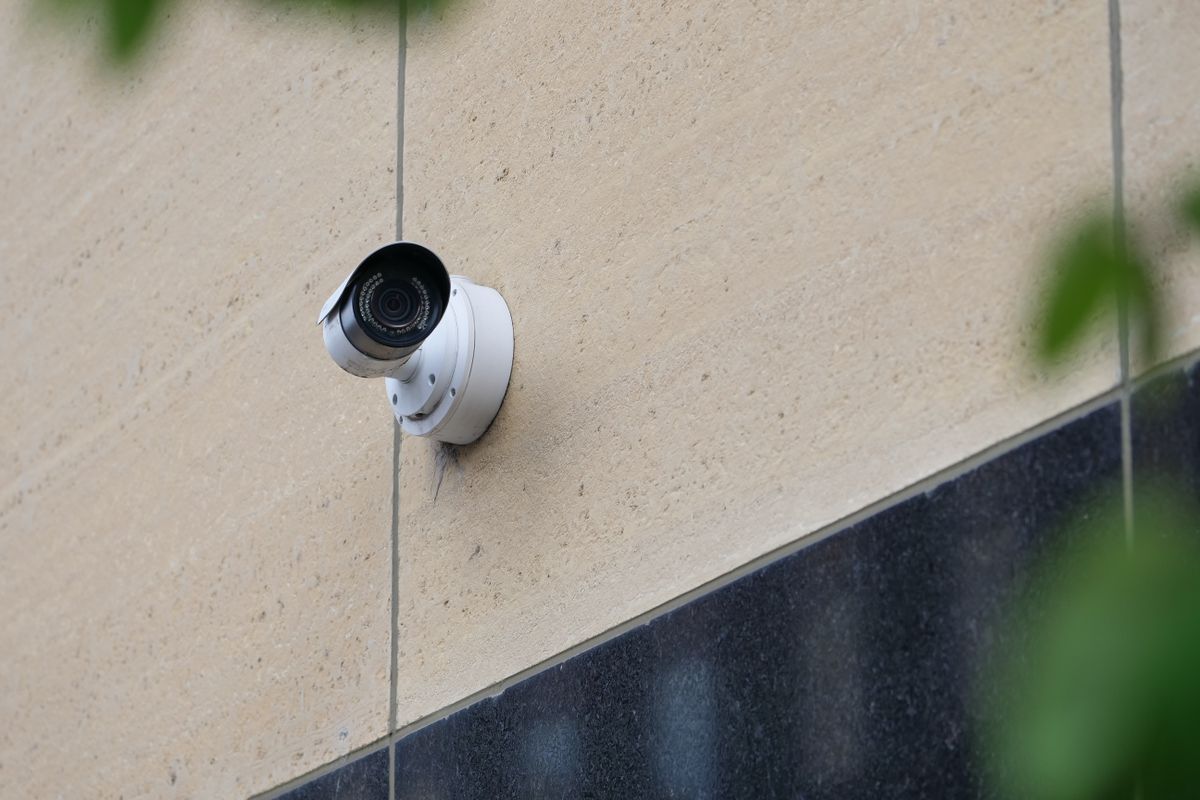
A security camera mounted on a light-colored exterior wall
Camera planning starts with the view, lighting, mounting, power, and network.

Manitou Springs includes compact sites, a defined historic district, and established buildings, but those facts do not make every property old or difficult to wire. GTZ begins with the address and building. A site walk can identify the internet handoff, network equipment, pathways, construction, power, mounting choices, technical storage, landlord boundaries, and customer areas. Wireless measurements belong in the rooms, patios, offices, or service areas where devices are used. A signal seen beside the router does not prove that payment tablets, staff laptops, guest phones, or handheld devices will work across the operation.

Access planning matters in a compact, occupied property. The owner may need to coordinate keys, parking or loading, ladders, ceiling access, furniture, food-service areas, guest rooms, or public spaces. Historic, lease, or preservation requirements should be supplied by the responsible party and written into the route approval before installation. GTZ can document what existing cabling and equipment remain useful, where another trade is needed, what can be prepared away from the site, and which workflows must be witnessed after a change. That turns the survey into a buildable scope while keeping physical assumptions out of the proposal.

Keep guest convenience from becoming unrestricted business access

A customer-facing site can offer guest Wi-Fi while maintaining separate paths for payment equipment, staff computers, printers, cameras, access control, audio, and building devices. GTZ inventories what each group needs, then plans network segments, firewall policies, managed access points, and administrative roles around those legitimate connections. Coverage and separation solve different problems. A guest network can be isolated correctly and still perform poorly in a back room or patio. Conversely, a strong wireless signal does not show that sensitive devices are protected. Both behaviors need to be designed and tested at the property.

Illustrative access groups
Access rulesOnly the connections each group needs
  • Guest accessInternet access for visitors
  • Business systemsStaff accounts and approved applications
  • Property systemsCameras, doors, and room technology

The site plan defines the actual groups and permissions.

Identity and device practices carry the same weight. Staff should use attributable accounts where the platform allows it. Multifactor authentication, limited administrator access, supported endpoints, protected email, and a departure checklist help control role changes. Remote vendors should receive only the access their system requires, with ownership and removal recorded. General commercial cameras and controlled doors begin with the entrances, transactions, storage, staff areas, or events the business needs to review. Retention, permissions, notifications, privacy, and response remain property decisions. GTZ connects the approved physical-security design to the network without presenting equipment as a substitute for policy.

Test capacity and changes against the hours that matter to the business

  • What needs to keep running?
  • What must be recoverable?
  • Who owns the next step?

A busy day can reveal different limits than an empty-room speed test. The outside internet service, firewall, switch uplinks, wireless channels, access-point placement, device count, and cloud application can each affect what users experience. GTZ separates those layers during assessment. For Wi-Fi, the plan considers where people gather, how devices move, what staff tools are critical, and whether guest access should receive a capacity limit. For payments, reservations, phones, cameras, and AV, the inventory identifies both internet dependencies and local functions that should continue inside the property. This keeps a carrier problem from being confused with a coverage or configuration problem.

Changes receive the same operational test. Before a cutover, GTZ can preconfigure equipment, preserve settings where practical, label connections, agree on a rollback decision, and identify the staff member who will exercise normal workflows. A backup connection or battery may be useful if address, signal, bandwidth, hardware, load, and application checks support it. Staff still need provider contacts and a manual procedure. Before a public event or peak period, complete and witness major changes, then document how the team verifies guest access, payment, staff tools, audio controls, cameras, and other accepted systems.

Plan the systems behind both public service and year-round local work

A Manitou Springs technology plan should account for how the organization serves people. In a restaurant, shop, lodging property, attraction, studio, or wellness business, that can include reservations, payments, staff communications, guest access, music, cameras, and vendor-managed applications. A professional office, nonprofit, or resident-serving organization may place more weight on protected email, shared files, phones, endpoint support, backup, and meeting spaces. GTZ maps those workflows before discussing equipment. The goal is to expose dependencies, assign an owner to each account or platform, and distinguish what must work during public hours from what can wait for a planned maintenance window.

The roadmap can separate immediate risk from useful improvements. A shared administrator password, unknown firewall ownership, unsupported computer, failed backup, or flat guest network may need attention before a new display or audio system. Other changes can be phased with a remodel, lease event, seasonal schedule, or equipment lifecycle. The internet provider, payment processor, software vendor, landlord, and trades may each own part of the result. GTZ defines its responsibilities, records client and third-party tasks, and sets acceptance checks that reflect actual work.

Manitou Springs service based on the exact property, users, and approved access

The city’s compact geography makes Manitou Springs a clear service-area page, but it does not erase differences among its buildings and organizations. GTZ confirms each accepted address, scope, contact, operating window, and physical constraint before scheduling work.

Established and historic-district properties

City planning services explicitly include a defined historic district. A business in or near that district may have property, landlord, or preservation requirements that affect pathways, mounting, or exterior work, but GTZ does not assume those constraints apply to every Manitou Springs building. The site survey records construction and approvals for the actual address before cabling, Wi-Fi, cameras, access control, or AV equipment is specified. Sources: City of Manitou Springs: government and planning overview.

Visitor-facing businesses and public spaces

Plan Manitou 2.0 identifies tourism, entertainment, and recreation as foundations of the economy. The official visitor and economic-development organization also presents lodging, food and drink, shopping, art, wellness, and events as part of the local mix. That supports discussion of guest Wi-Fi, payments, reservations, staff networks, cameras, audio, and work windows without implying every business serves tourists. Sources: City of Manitou Springs: adopted Plan Manitou 2.0; Manitou Springs Chamber, Visitors Bureau, and Office of Economic Development.

Year-round and resident-serving organizations

The adopted city plan also calls for a vibrant year-round economy and business retention. Professional offices, nonprofits, and service providers need dependable everyday tools and protection for the accounts and data their work depends on. Their scope may emphasize identity, email, computers, files, phones, backup, meeting technology, or ongoing support. The service plan follows the organization’s users and risks instead of forcing a hospitality package onto every address. Sources: City of Manitou Springs: adopted Plan Manitou 2.0.

A service mix for Manitou Springs businesses that welcome guests or serve residents

The same building can combine public areas, staff-only work, vendor-managed devices, and connected security or AV. Industry context helps decide which workflows receive attention first.

Restaurants, cafes, and food-and-drink businesses

Payments, reservations, staff devices, guest Wi-Fi, cameras, music, paging, and televisions can depend on one network. A coordinated plan sets useful boundaries, checks coverage and cabling, defines audio zones and staff controls, and schedules the cutover around the operation.

Explore support

Lodging, wellness, and guest services

Guest rooms or public areas, front-desk systems, offices, phones, staff accounts, cameras, and controlled access create different availability and privacy needs. Discovery maps those spaces and third-party platforms before network, IT, security, or AV work is proposed.

Explore support

Retail, art, attractions, and event spaces

Customer access may sit beside payment devices, displays, audio, cameras, ticketing, or presentation systems. GTZ can coordinate the supporting network and room technology around public hours, approved installation paths, operator controls, and a practical acceptance test.

Explore support

Professional and resident-serving teams

Offices and local organizations may need managed computers, Microsoft 365, protected email, file access, backup, phones, and user support more than guest technology. A managed plan documents account ownership, patching, routine support, vendors, and recovery responsibilities.

Explore support

Projects we can scope

Start with the situation, then design the system

Examples of how GTZ can turn a business change into a scoped technology project in Manitou Springs.

Improve coverage without exposing business systems

Guest Wi-Fi and staff connectivity can share infrastructure without sharing the same access. The design begins with actual coverage, capacity, and device needs.

  • Survey customer, staff, and outdoor-use areas
  • Separate guest, payment, office, camera, and building traffic
  • Set simple access and support procedures for staff

Find workable paths through an existing property

An unusually shaped or established building may call for a careful site walk before anyone promises a cable route or equipment location.

  • Review construction, pathways, power, and mounting options
  • Coordinate owner, landlord, and building constraints
  • Document the approved route before installation

Prepare systems for busy public hours

For visitor-facing operations, capacity and cutover planning should reflect when payments, reservations, guest access, cameras, and audio matter most.

  • Identify critical workflows and expected peaks
  • Preconfigure changes to reduce interruption
  • Test with the people who operate the site

What a scoped Manitou Springs existing-property upgrade could include

An illustrative project. Your site assessment determines the final scope.

The situation

Consider an illustrative restaurant, shop, wellness business, or lodging property in an established building. Staff report uneven Wi-Fi, guests use the same wireless password as business devices, and no one is certain who controls the firewall. The owner also wants cameras or zoned audio reviewed during the upgrade. The first step would document accounts, provider service, network ownership, cabling, construction, power, coverage, device groups, business hours, approved access, outside vendors, and the workflows that cannot be interrupted casually.

The proposed approach

A possible scope could preserve useful cabling, replace unsupported network components, separate guest, staff, payment, camera, AV, and building-device access, and place wireless equipment from measured conditions. Camera views would follow an approved purpose; audio zones would follow rooms, sources, and staff controls. The owner would supply lease, historic, preservation, payment, privacy, or vendor requirements. GTZ would identify other trades and exclusions, stage the change, and test accepted workflows with the operator. Equipment, price, schedule, support, and any backup connection would depend on discovery.

What the handover should make clear

  • A documented internet handoff, network inventory, accounts, and outside vendors
  • Approved pathways and equipment locations based on the actual property
  • Separate access for guest, staff, payment, camera, AV, and building devices
  • Coverage, audio, camera, and business-workflow tests witnessed at handoff
  • A clear split between one-time project work and ongoing support ownership

How service works

Work planned around access and customer hours

GTZ schedules Manitou Springs projects from Fountain after confirming the property, parking or loading considerations, building access, operating windows, and the systems involved. The site survey establishes building constraints and approved cable routes from direct evidence.

The first survey documents what can be reused and where the design needs coordination. Installation windows are then written into the scope around the customer, guest, staff, and property needs identified during discovery.

  1. 01

    Walk the operation

    We review guest areas, staff workflows, technical spaces, current equipment, and approved access.

  2. 02

    Design around real constraints

    Coverage, cabling, equipment, audio, cameras, and network separation are coordinated in one plan.

  3. 03

    Install in an agreed window

    The handoff includes testing of the workflows the business relies on during open hours.

Before we schedule

Questions about service in Manitou Springs

Share the address and the outcome you need. We will use both to confirm the right next step.

Can you improve Wi-Fi in a historic or unusually shaped building?

Yes, after a site survey. We measure coverage and inspect construction, layout, occupancy, power, and available pathways before proposing equipment or cable routes. If the property has preservation or landlord constraints, those become part of the approved plan.

Can guest Wi-Fi be separated from our payment network?

Yes. We can put guest, staff, payment, office, camera, and building devices on separate network segments with appropriate access rules. We inventory device dependencies first so the business systems still communicate where they legitimately need to.

Can installation be scheduled around guest or retail hours?

Yes. We discuss operating hours, acceptable interruptions, access, and staff availability before writing the work window into the project. The exact schedule depends on the scope and what can be prepared or staged in advance.

Do you support restaurants and lodging as well as offices?

Yes. GTZ can scope business networks, managed IT, cameras, door access, guest Wi-Fi, and commercial audio for hospitality and dining properties as well as professional and resident-serving offices. The service mix follows the operation rather than a preset package.

Can GTZ coordinate with a landlord, contractor, or preservation requirement?

Yes. We can document proposed low-voltage routes, equipment locations, mounting, power, access, and sequence, then identify which party approves or completes each part. The property owner or client provides lease, building, historic, and preservation requirements and responsible contacts. GTZ does not promise a concealed pathway or exterior mounting before inspection and approval. Once responsibilities are clear, the scope can be coordinated with the landlord and trades.

Can you support Wi-Fi across indoor and outdoor guest areas?

Possibly, after measuring the property. Indoor construction, windows, elevation changes, neighboring networks, weather exposure, mounting, cable distance, power, expected devices, and the areas guests actually use all affect the design. Outdoor equipment must be selected and installed for its environment. GTZ sets coverage and capacity goals by area, separates guest access from business systems, and tests the installed result. A single access point or advertised range is not treated as proof of coverage.

Start with a real property and goal

Plan your Manitou Springs technology project

Tell us what is changing, what is not working, and where the work needs to happen. We will help define the next useful step.

Call (719) 203-7752