Skip to content

Cañon City, Colorado

Business IT and Security in Cañon City

Modernize an inherited network, support a visitor-facing operation, or coordinate technology for a move without forcing every system into a single rushed cutover.

Scheduled on-site service from Fountain, planned around the property and project.

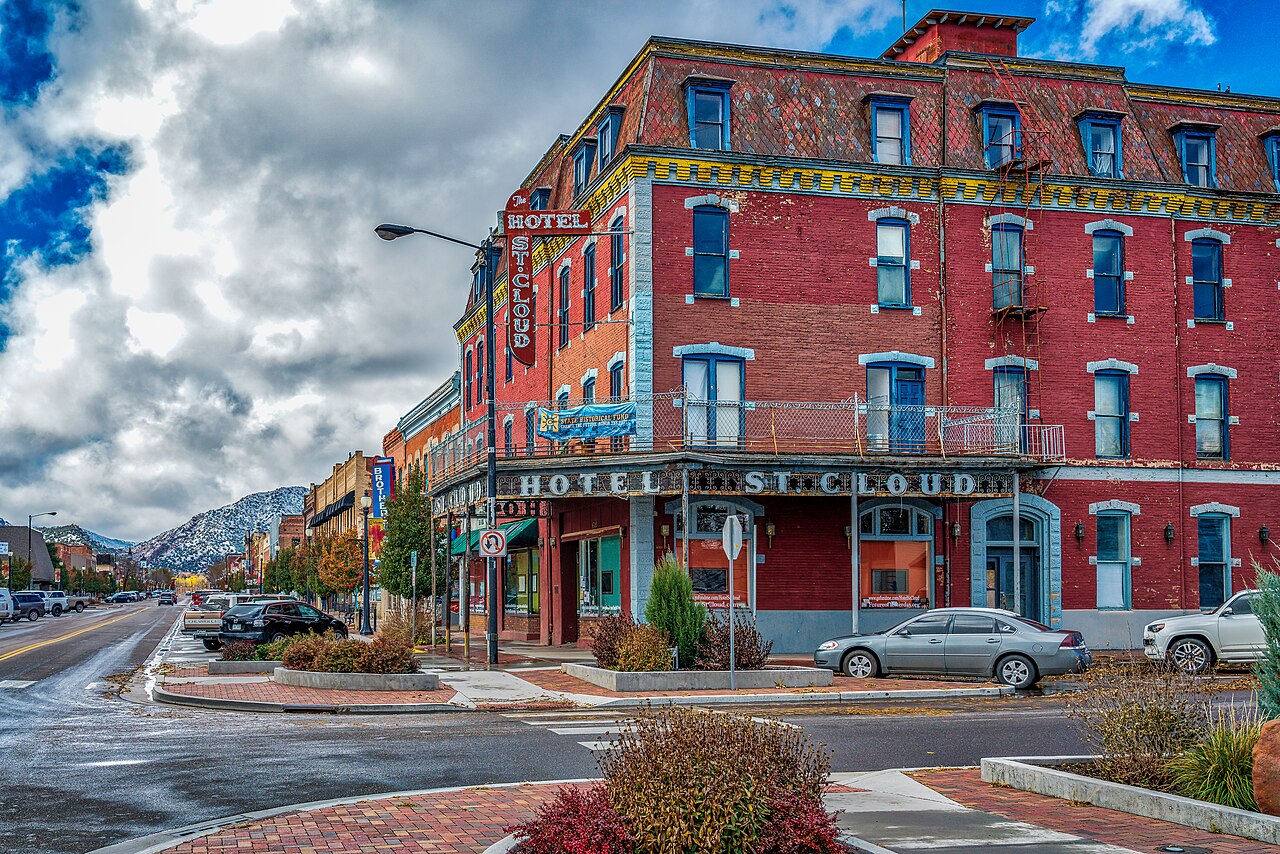
Hotel St. Cloud and Main Street storefronts in downtown Cañon City, Colorado
Hotel St. Cloud and the Main Street streetscape in downtown Cañon City (2018).Photo: Mobilus In Mobili. Source · CC BY-SA 2.0. Framed to fit.

Old and new commercial spaces

Start with the building, the operation, and the handoff

Cañon City is the Fremont County seat and a year-round destination with a summer visitor peak. Its business technology needs are not limited to one kind of property: professional offices and resident-serving organizations operate alongside lodging, dining, retail, attractions, and other visitor-facing businesses. Sources: City of Cañon City: visitor and regional context, City of Cañon City: lodging, restaurants, and shopping.

The city has an established historic downtown along Main Street and also tracks commercial development around the US 50 corridor. That mix rewards an assessment-first approach. An older commercial building and a new tenant space may need the same services, but cable paths, power, equipment placement, access, and sequencing can be very different. Sources: City of Cañon City: Historic Preservation Commission, City of Cañon City: current commercial project information.

Match the upgrade to the building and its daily schedule

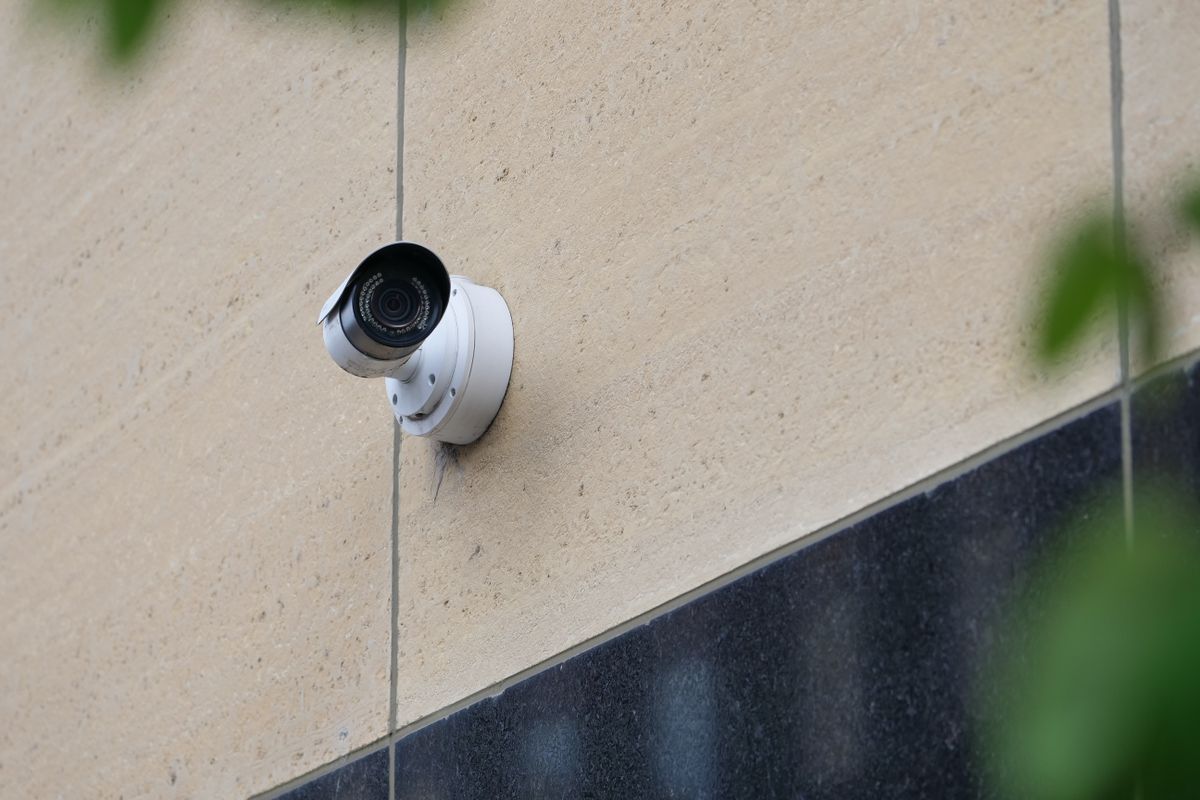
A security camera mounted on a light-colored exterior wall
Camera planning starts with the view, lighting, mounting, power, and network.

An established Main Street property and a newer commercial suite may need the same basic technology, but the installation plan can be completely different. Existing finishes, masonry, shared utility spaces, ceiling access, equipment closets, power, landlord requirements, and occupied rooms can affect where cables and devices belong. GTZ can inspect those conditions before proposing a network, camera, access-control, or audio change. The assessment can also trace inherited cabling and identify equipment that lacks a label, current credentials, or a clear owner.

The goal is a plan that respects the property while giving the business a supportable system. That may mean reusing verified cable, placing access points from measured coverage, selecting alternate routes for new runs, or phasing work around customer and employee activity. A pre-installation scope can identify which pathways require owner or trade approval and which decisions depend on an on-site test. Final acceptance should check the spaces where devices are used, not only the equipment rack. It should also leave the operator with labels, administrative access, and a record of what changed.

Connect physical security to identity, network, and operating procedures

A camera is useful only when its view answers a defined question and authorized people can retrieve footage when needed. GTZ can review entrances, transaction or service areas, exterior approaches, storage, and employee-only spaces with the operator, then plan field of view, lighting, mounting, power, network capacity, and retention. Placement decisions should respect the individual property and the business purpose. Recording settings and storage can then be sized from the approved cameras and retention need instead of a broad promise about image quality or recording length.

Illustrative access groups
Access rulesOnly the connections each group needs
  • Office and field teamBusiness devices and approved resources
  • Work areasOperational equipment with defined access
  • Property systemsCameras, doors, and remote administration

The site plan defines the actual groups and permissions.

Access control also depends on the process behind the reader. The business decides who receives a credential, when it works, who approves changes, and how access is removed. Network segmentation and restricted administrative roles can keep cameras and doors from exposing unrelated office systems. On the digital side, protected identities, multifactor authentication, endpoint controls, email security, tested backups, and an employee departure process can reduce common paths into business data. GTZ can coordinate these layers while clearly identifying any property, insurer, corporate, or industry requirements the customer must provide.

Separate the customer experience from the systems that run the business

A lodging property, restaurant, retailer, attraction, or event space may need guest connectivity, payment devices, office computers, phones, cameras, displays, and audio at the same time. Those devices should not all receive the same network access. GTZ can inventory what each system needs to reach, design appropriate network segments, set wireless coverage and capacity goals by area, and document who can administer the equipment. Guest access can be useful without providing a path to business files, cameras, or building controls.

Commercial audio and presentation systems deserve the same coordination. A dining room, lobby, meeting area, counter, and back office can have different source, volume, paging, and staff-control needs. The plan should begin with how the room is used, then account for acoustics, speaker locations, equipment space, cabling, network traffic, and the controls employees can operate confidently. For a remodel or expansion, GTZ can define those requirements alongside the firewall, switching, Wi-Fi, cameras, phones, and internet handoff so each trade knows what must be ready before commissioning.
Plan for the ordinary failures that interrupt a busy day

  • What needs to keep running?
  • What must be recoverable?
  • Who owns the next step?

A visitor-facing operation can feel a technology problem immediately when staff cannot take a call, reach a reservation or scheduling system, print, process a normal workflow, or connect a required device. A professional office has different priorities but the same need for clear ownership. GTZ can help identify the workflows that should be restored first, the accounts and systems they depend on, and the people authorized to make decisions. Monitoring and remote support can address many device, account, and configuration problems after a managed-services onboarding.

Internet service and the local network should be diagnosed separately. A provider outage, damaged cable, failed firewall, saturated wireless channel, poor access-point placement, and application problem can look similar to an employee. Documentation and tested escalation steps make it easier to locate the fault. Backup planning should also distinguish files, Microsoft 365 data, line-of-business applications, configuration, and physical-system records. Recovery expectations can then be tied to actual business needs. When work requires signal measurement, cabling, equipment replacement, or hands-on testing, GTZ schedules the appropriate site visit for the Cañon City property.

Planned service in Cañon City and eastern Fremont County

Cañon City combines an established historic downtown, commercial activity along the US 50 corridor, and a year-round visitor economy that reaches a summer peak. A Main Street property, a newer tenant space, and a busy guest-facing operation can need very different installation and support plans even when the equipment categories sound similar.

Main Street and established commercial properties

The designated historic downtown extends along Main Street. For an individual office, shop, restaurant, or mixed-use property, GTZ can assess available pathways, equipment locations, wireless conditions, owner requirements, and operating hours before recommending changes. Historic-district context does not replace a building-specific review. Sources: City of Cañon City: Historic Preservation Commission.

US 50 and newer commercial locations

Current city project information tracks commercial development along the corridor. A new tenant, relocation, or expansion can benefit from one scope for the carrier handoff, cabling, firewall, switching, Wi-Fi, phones, cameras, door access, and room technology, with responsibility assigned before construction or move-in. Sources: City of Cañon City: current commercial project information.

Different operations need different technology priorities

Cañon City supports a broad mix of professional, resident-serving, and visitor-facing uses. Technology planning works best when each scope identifies business priorities clearly, explains the operating impact, and assigns ownership before it names equipment or subscriptions.

Professional and resident-serving offices

Support may include employee devices, Microsoft 365, protected file access, phones, printers, conference spaces, backups, and documented account changes. A managed plan can give staff one support path while keeping vendors and administrative ownership clear. The scope can also name critical software and who contacts each outside vendor during an interruption.

Explore support

Lodging, dining, and retail

Consider staff and guest Wi-Fi, payment-device boundaries, phones, cameras, background audio, digital displays, and back-office systems as connected parts with different permissions. Coverage and controls should be tested during the business conditions they are expected to support. Staff should also know which connection and recovery step applies when one system stops working.

Explore support

Attractions and event-oriented spaces

Ticketing or front-desk devices, office systems, visitor connectivity, cameras, presentation, paging, and room audio may share a property. A coordinated design can assign network, cabling, power, control, and handoff requirements before equipment is ordered.

Explore support

Projects we can scope

Start with the situation, then design the system

Examples of how GTZ can turn a business change into a scoped technology project in Cañon City.

Document an inherited network

When ownership or tenants change, passwords, diagrams, subscriptions, and equipment history are often incomplete. GTZ can inventory the system before recommending changes.

  • Trace internet, switching, Wi-Fi, and connected devices
  • Record administrative access and service ownership
  • Separate urgent risk from later improvements

Separate guest access from business systems

A visitor-facing business can offer useful guest Wi-Fi without placing office devices, payment equipment, cameras, or building controls on the same flat network.

  • Define staff, guest, payment, and device groups
  • Set coverage and capacity goals by space
  • Test roaming, isolation, and recovery procedures

Stage changes around an established property

Masonry walls, existing finishes, and occupied rooms can affect cable paths and Wi-Fi placement. We survey the actual property, then phase network, camera, audio, or access upgrades around access and business hours. Music and paging zones are designed for the spaces that need them.

  • Survey pathways and equipment locations
  • Protect useful current systems during transition
  • Schedule cutovers around site access and business use

What a phased Cañon City upgrade could look like

An illustrative project. Your site assessment determines the final scope.

The situation

Consider an established visitor-facing property with uneven Wi-Fi, inherited switches, several camera brands, and incomplete administrative access. Discovery would begin with the business workflows and the problems staff can reproduce. GTZ could collect provider records, account ownership, equipment models, floor plans, and desired camera or audio outcomes before the visit. On site, the assessment could trace cabling, measure wireless conditions, inspect power and equipment locations, confirm viewing and retention needs, and identify work that requires landlord or trade coordination.

The proposed approach

The resulting proposal could separate urgent access and security risks from coverage improvements and later room upgrades. Useful supported equipment could remain where it fits the design. Changes could be staged by approved area or system, with a rollback and operating plan for each cutover. Acceptance would test staff, guest, camera, phone, and audio workflows as applicable, then record network boundaries, credentials, subscriptions, labels, and recovery contacts. Ongoing support could be scoped separately if the business wants monitoring, user help, patching, and documented account administration after the project.

What the handover should make clear

  • A verified inventory of the connection, network, devices, accounts, and physical systems in scope
  • A property-aware design that identifies cable, power, access, and trade dependencies
  • A phased cutover and acceptance plan tied to business workflows
  • Clear administrative ownership, documentation, and priorities for future work

How service works

Planned visits across Cañon City and eastern Fremont County

GTZ schedules on-site work in Cañon City from Fountain. We confirm the property, access needs, current systems, and project goal first. This is especially useful when the first visit must include several decision-makers or when an inherited system needs administrative access gathered in advance.

Penrose, Florence, and other eastern Fremont County sites can be considered from the actual address and scope. Each visit is planned around the property type, business schedule, systems involved, and decisions that require on-site review.

  1. 01

    Collect what is known

    We start with the address, floor plan, carrier information, equipment access, and the business problem.

  2. 02

    Survey what is installed

    On site, we verify pathways, coverage, power, ownership, and system dependencies.

  3. 03

    Make changes in useful stages

    The plan protects operations while moving the highest-priority systems toward a documented design.

Before we schedule

Questions about service in Cañon City

Share the address and the outcome you need. We will use both to confirm the right next step.

Does GTZ provide on-site IT support in Cañon City?

Yes. Cañon City is a scheduled service area. We confirm the location and scope before setting a site visit. Recurring managed support and project-only work are both available, with the exact service terms defined in the proposal.

Can you upgrade a network in an older Main Street building?

Yes, after a site assessment. We inspect available cable paths, building materials, power, equipment locations, and operating constraints. We then propose a design that fits the property rather than assuming a standard commercial layout.

Can guest Wi-Fi be kept apart from payment and office devices?

Yes. We can create separate network segments and access policies for guests, staff, payment devices, cameras, and building systems. This reduces unnecessary exposure, but it does not by itself certify a business against a payment or industry standard.

Can you coordinate technology during a remodel or move?

Yes. We can plan the internet handoff, structured cabling, firewall, switching, Wi-Fi, phones, cameras, access control, and meeting-room connections. The scope assigns responsibilities so the carrier and building trades know what must be ready.

Can GTZ install background music, paging, or presentation systems in Cañon City?

Yes, for appropriately scoped commercial spaces. Planning begins with room use, program sources, zones, speech needs, staff controls, acoustics, equipment locations, cabling, power, and network dependencies. The proposal then defines the system, installation responsibilities, commissioning checks, and any building or trade requirements that need separate approval.

What if the previous IT or camera provider did not leave passwords or documentation?

GTZ can inventory the equipment, services, subscriptions, and known owners, then help the business pursue authorized account recovery or a controlled replacement path. Access cannot be assumed or bypassed. The assessment identifies what can be managed safely, what information the owner must obtain, and which unsupported components create a risk.

Start with a real property and goal

Plan your Cañon City technology project

Tell us what is changing, what is not working, and where the work needs to happen. We will help define the next useful step.

Call (719) 203-7752